.jpg?width=8192&height=5464&name=plant-for-production-of-cars-modern-automotive-in-2026-01-08-05-31-55-utc%20(1).jpg)
solar
solar energy
sustainability
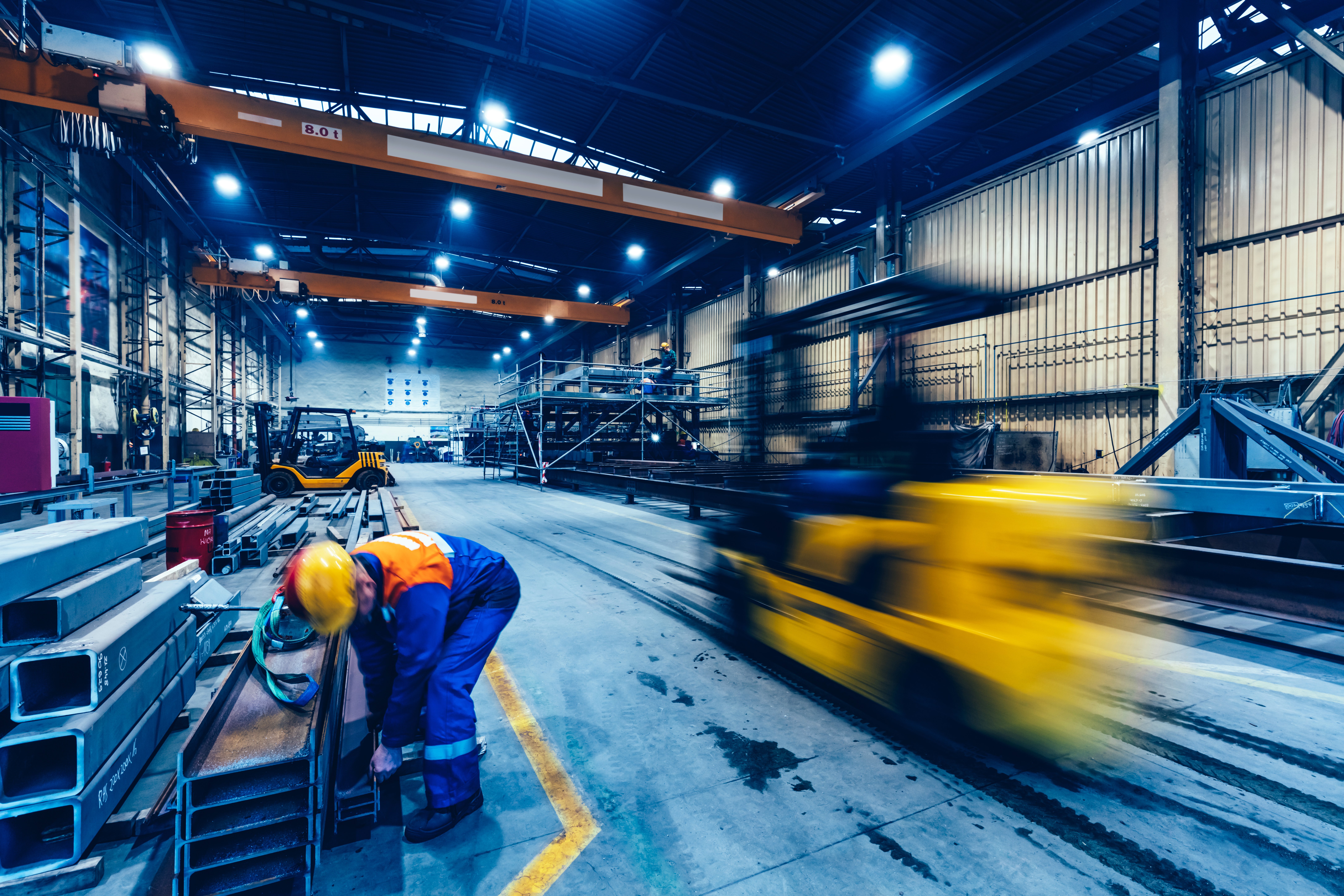

For manufacturers, energy reliability is not an abstract infrastructure issue. It is an operational risk with direct consequences for output, quality, safety, and customer commitments. Even short power disruptions can trigger unplanned shutdowns, scrap losses, restart delays, and safety incidents. As energy systems face increasing strain from demand growth and grid volatility, manufacturers are re-evaluating how they manage power risk on site.
Solar energy is often viewed primarily as a cost and sustainability lever. However, when combined with storage and the right control systems, it can also play a meaningful role in improving operational resilience.
The Operational Impact of Power Disruptions
From an operations perspective, outages and power quality issues create multiple layers of risk:
For facilities running continuous or tightly scheduled operations, reliability is as critical as cost.
Where Solar Alone Helps
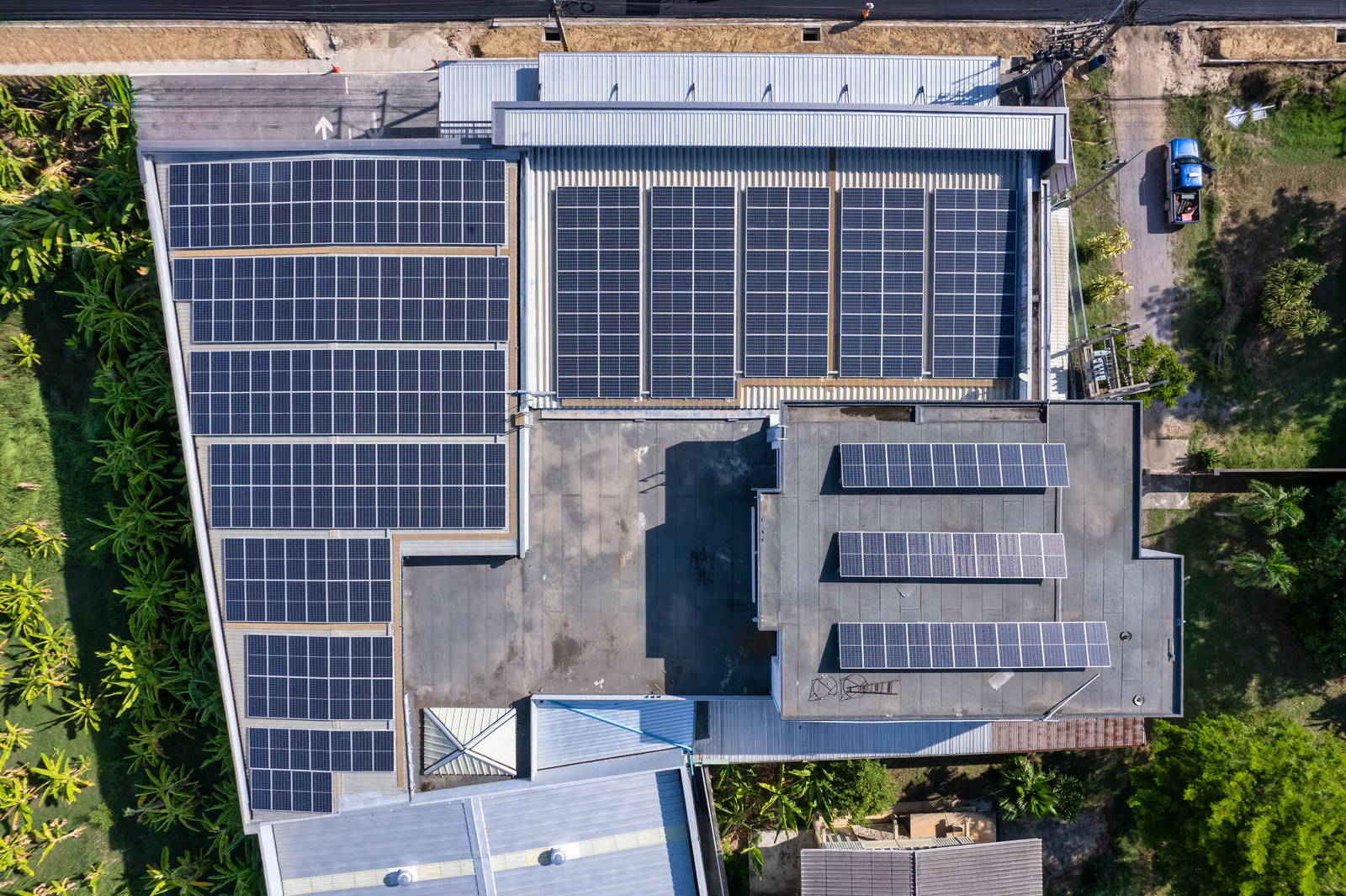
Onsite solar can reduce reliance on the grid during normal operating hours by supplying a portion of a facility’s daytime electricity demand. This delivers two immediate benefits. First, it lowers exposure to grid congestion and peak-period stress, when outages and instability are more likely. Second, it reduces the load on incoming grid supply, which can help stabilise internal power conditions.
However, solar on its own does not provide backup power. When the grid goes down, most standard solar systems are designed to shut off for safety reasons. This is where storage and controls become essential.
The Resilience Advantage of Solar Plus Storage
When solar is paired with battery storage and an energy management system, manufacturers gain far greater control over how power is supplied during disruptions.
Battery storage enables excess solar generation to be captured and used when needed, rather than being lost. More importantly, during an outage or grid disturbance, batteries can supply power to predefined critical loads. With the right control systems in place, facilities can prioritise essential systems such as safety equipment, refrigeration, IT infrastructure, or specific production lines to maintain continuity and reduce operational risk.
 This setup enables manufacturers to:
The result is not complete energy independence, but a significant reduction in downtime risk and operational disruption, delivering greater stability and control in day-to-day operations.
Designing Resilience, Not Over-Engineering
Effective resilience planning starts with understanding the site’s risk profile. Not every process needs backup power, and not every site requires the same level of protection. Mapping critical loads, understanding outage frequency and duration, and aligning solutions with operational priorities ensures investments remain targeted, efficient and commercially sound.
Solar, storage, and controls work best as part of an integrated energy strategy, alongside efficiency measures and grid supply optimisation.
Building a More Resilient Energy Strategy
As manufacturers face tighter delivery schedules, stricter quality standards, and growing pressure to operate sustainably, energy reliability is becoming a strategic priority. Solar and storage offer an opportunity to address cost, emissions, and resilience together, rather than in isolation. To learn how solar and storage solutions can be tailored to your operational needs, contact TotalEnergies ENEOS for a site-specific approach to strengthening energy resilience and reliability.
.jpg?width=8110&height=5407&name=woman-working-at-food-processing-factory-holding-m-2026-03-08-00-22-02-utc%20(1).jpg)