.jpg?width=8110&height=5407&name=woman-working-at-food-processing-factory-holding-m-2026-03-08-00-22-02-utc%20(1).jpg)
solar
solar energy
sustainability
.jpg?width=8192&height=5464&name=plant-for-production-of-cars-modern-automotive-in-2026-01-08-05-31-55-utc%20(1).jpg)

Automotive manufacturing is highly energy-intensive. From welding and robotics to paint shops, HVAC systems, compressed air, and assembly lines, electricity powers nearly every stage of production. As energy costs become more volatile and sustainability expectations continue to rise, automotive manufacturers are looking for more effective ways to manage energy across their operations..
Understanding how electricity is used across the plant is the first step to identifying opportunities for greater efficiency, cost optimisation and emissions reduction. It also helps highlight where onsite solar can deliver the most value.
Why Energy Strategy Matters in Automotive Manufacturing
Energy is no longer viewed simply as a utility expense. In automotive manufacturing, it is directly tied to production cost, operational resilience, and long-term competitiveness.
According to the International Energy Agency (IEA), electricity demand from industrial activity continues to grow, especially as sectors linked to electric vehicles, batteries, and advanced manufacturing become more electrified. This is making energy strategy a key consideration for manufacturers looking to better manage costs and emissions.
At the same time, automotive manufacturers and component suppliers are facing stronger expectations from OEMs, customers, investors, and regulators to improve ESG performance. Renewable energy adoption is becoming a practical way to lower Scope 2 emissions while strengthening supply chain credibility.
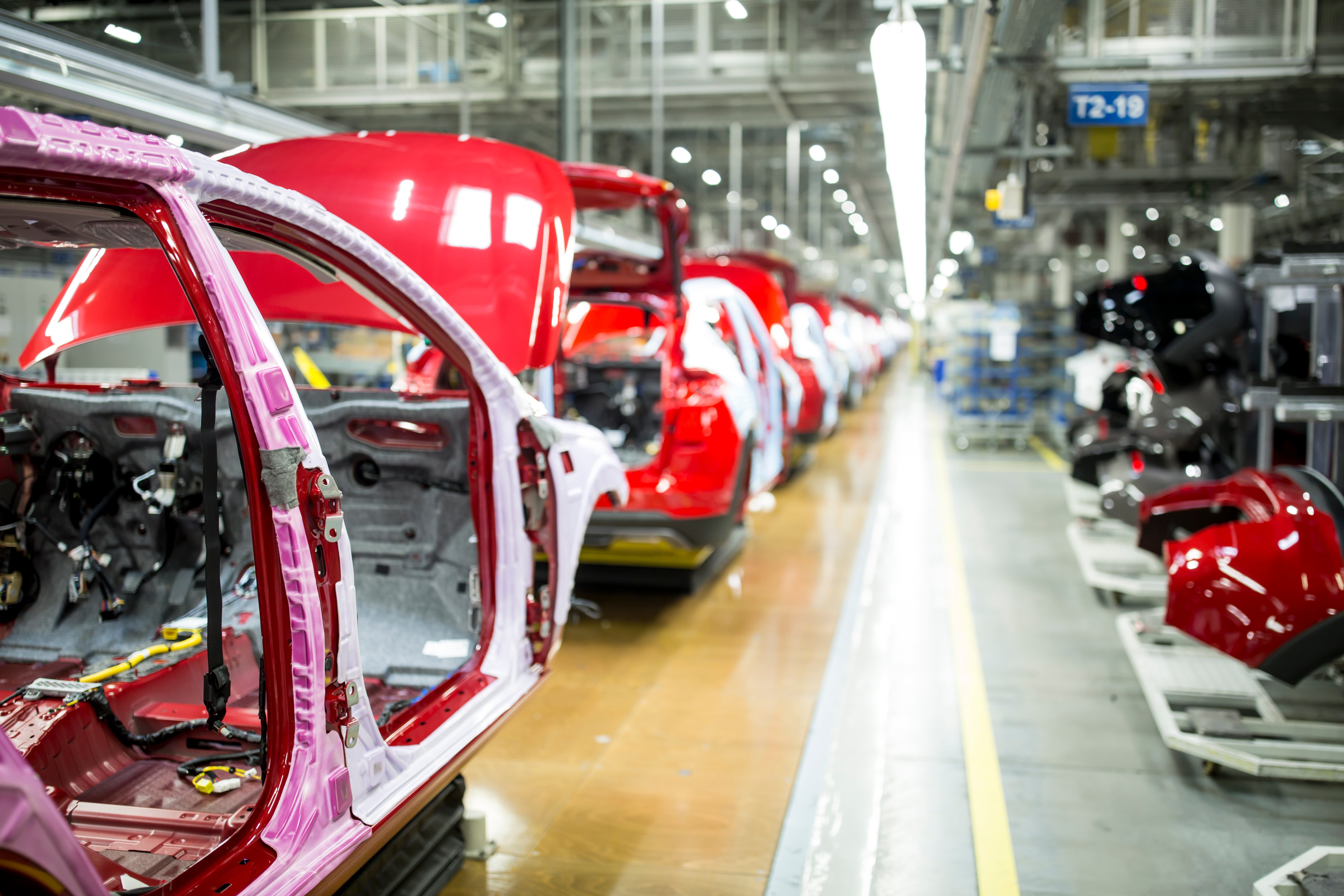
Where Energy Is Used Most in Automotive Plants
While energy use varies by facility, several areas tend to drive the highest electricity demand.
1. Paint Shops
Paint shops are among the most energy-intensive areas in an automotive plant. They require substantial electricity for ventilation, air handling, drying ovens, temperature control, humidity control, and paint curing.
According to industry estimates published in 2025, paint shops can account for a significant share of total plant energy use, with some studies placing them at up to 45–70% of total vehicle manufacturing energy consumption.
Why this matters:
Paint quality depends on tightly controlled operating conditions. This means energy demand is not only high, but also less flexible to reduce without affecting production quality.
Where solar helps:
Paint shops typically operate during daytime production hours, aligning with onsite solar generation. Solar can help offset electricity demand from ventilation, HVAC, and process-related systems, reducing reliance on grid power during high-consumption periods.
2. Welding, Robotics, and Automation
Modern automotive production relies heavily on robotics and automated systems. Welding arms, laser welding systems, conveyor lines, and assembly robots all require stable and continuous power to maintain production speed and precision.
Why this matters:
Even short power disruptions can interrupt synchronised production lines, affecting output, quality, and delivery schedules.
Where solar helps:
Onsite solar can support daytime electricity demand and reduce exposure to volatile grid tariffs. When paired with a broader energy resilience strategy, it can also contribute to more stable day-to-day operations.
3. HVAC and Climate Control
Large automotive facilities require extensive cooling, ventilation, and air filtration. These systems are especially important in paint shops, battery production areas, controlled environments, and worker safety zones.
Why this matters:
HVAC systems often run continuously during production hours and can become a major driver of electricity costs, especially in warmer climates.
Where solar helps:
Cooling and ventilation loads often peak during the day, which makes them well suited for onsite solar. By generating electricity when HVAC demand is high, solar can help reduce grid reliance and support more predictable energy costs.
4. Compressed Air Systems
Compressed air is used across many automotive production processes, including pneumatic tools, robotics, automation, and material handling. However, it is often an overlooked source of energy consumption.
Why this matters:
Compressed air systems can be inefficient if not properly monitored or maintained. Leaks, pressure losses, and overuse can increase electricity consumption unnecessarily.
Where solar helps:
Because compressed air systems are typically used throughout daytime production, onsite solar can help offset part of this continuous electricity demand.
5. EV and Battery Manufacturing
As the automotive industry shifts towards electrification, energy demand across manufacturing is increasing. Battery production involves dry rooms, thermal management, precision climate control, and specialised processing equipment, all of which require significant electricity.
Why this matters:
EV and battery manufacturing makes energy strategy even more critical. Manufacturers must manage higher electricity demand while also meeting expectations for lower-carbon production.
Where solar helps:
Onsite solar can support the transition to cleaner manufacturing by reducing Scope 2 emissions and helping manufacturers demonstrate progress toward decarbonisation goals.
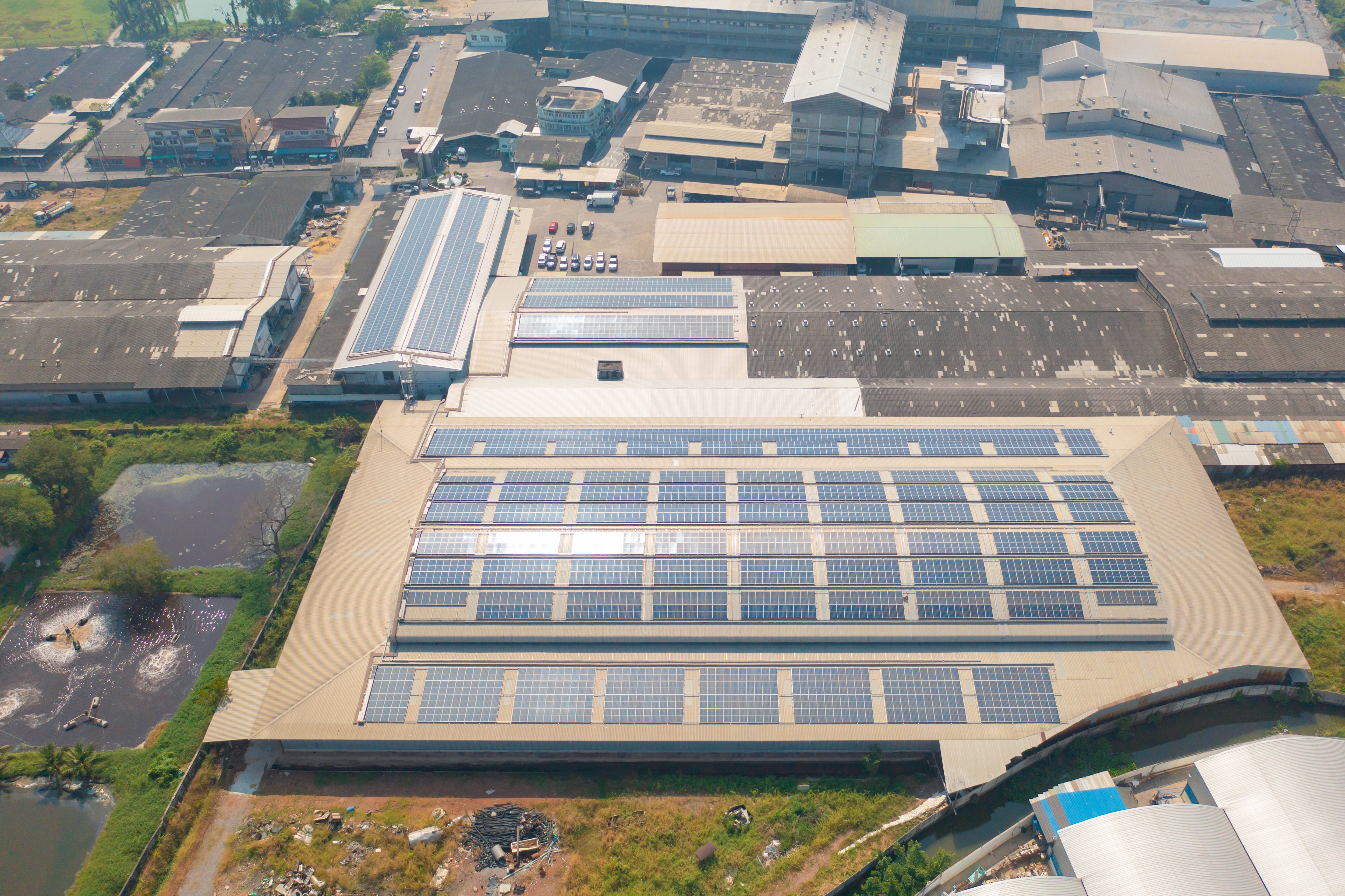
Where Solar Delivers the Greatest Impact
Automotive plants are often well suited for onsite solar because many facilities have:
High daytime electricity demand
Large rooftops or available site areas
Consistent production schedules
Long-term cost planning needs
ESG and decarbonisation targets
By generating electricity onsite, manufacturers can offset a portion of their grid consumption during operating hours. This helps reduce exposure to variable electricity tariffs while supporting sustainability objectives.
Key Benefits of Onsite Solar for Automotive Manufacturers
Lower grid reliance: Solar helps reduce dependence on grid electricity during daytime production hours.
Improved cost predictability: Through long-term solar agreements, manufacturers can gain greater visibility over future electricity costs.
Reduced Scope 2 emissions: Using renewable electricity onsite can support ESG reporting and decarbonisation commitments.
Stronger supplier positioning: As OEMs increasingly prioritise low-carbon supply chains, renewable energy adoption can strengthen supplier credibility.
Operational efficiency: Solar can be integrated into existing operations with minimal disruption, helping manufacturers improve energy performance without changing core production processes.
Is Your Facility a Good Fit for Solar?
Your automotive facility may be well suited for onsite solar if it has:
High daytime electricity consumption
Rising or unpredictable electricity costs
Large rooftop, carpark, or land areas
ESG or Scope 2 emissions reduction targets
Multiple manufacturing sites
Pressure from customers or OEMs to decarbonise
If several of these apply, onsite solar could be a practical way to manage energy costs, improve energy stability, and support long-term sustainability goals.
Moving Towards Smarter Energy Management
Automotive manufacturing is becoming more energy-intensive, more automated, and more sustainability-driven. As a result, energy strategy is now closely linked to competitiveness.
Understanding how energy is used across the plant allows manufacturers to identify where solar can deliver the greatest value. Whether offsetting HVAC loads, supporting production equipment, or reducing Scope 2 emissions, onsite solar can play an important role in building a more cost-efficient and lower-carbon automotive operation.
Solar is no longer just a sustainability initiative. For automotive manufacturers, it is becoming a strategic energy solution that supports cost control, operational resilience, and long-term competitiveness.
As automotive manufacturers continue to refine their energy strategies, it is also useful to consider how solar can support wider industry priorities, from cost control to lower-carbon operations. Read more in our article on “Why Solar Energy is Driving Cost Leadership”.
To learn how onsite solar can support your automotive operations, improve energy efficiency, and reduce long-term electricity costs, explore TotalEnergies ENEOS’ automotive solar solutions or visit our homepage. To discuss a tailored approach for your facility, please contact the TotalEnergies ENEOS team.
Frequently Asked Questions
1. Which areas of automotive manufacturing consume the most electricity?
Paint shops, HVAC systems, robotics, welding operations, compressed air systems, and EV battery production are typically among the largest energy consumers in automotive facilities.
2. Why are paint shops so energy-intensive?
Paint shops require tightly controlled ventilation, humidity, temperature, and drying conditions to maintain production quality. These systems often run continuously during operations, driving high electricity demand.
3. How does onsite solar help automotive manufacturers reduce costs?
Onsite solar helps offset daytime electricity demand, reducing reliance on grid power during operating hours. This can improve cost predictability and reduce exposure to electricity tariff volatility.
4. Can solar support ESG goals in automotive manufacturing?
Yes. Onsite solar helps reduce Scope 2 emissions from purchased electricity, supporting decarbonisation goals, ESG reporting, and lower-carbon supply chain initiatives.
5. Is solar suitable for large automotive manufacturing facilities?
Many automotive facilities are well suited for solar because they often have large rooftops, stable daytime energy demand, and energy-intensive operations that align well with solar generation profiles.
.jpg?width=6016&height=4016&name=workshop-production-of-clothing-sewing-machine-2026-03-16-00-31-46-utc%20(1).jpg)