
Pharmaceutical manufacturing depends on precision. From cleanrooms and laboratories to cold storage and production lines, every stage of the operation relies on a stable, high-quality power supply. Even a short disruption can affect temperature control, environmental conditions, equipment performance, product quality, and regulatory compliance.
As electricity demand rises across Asia, power systems are facing pressure from industrial growth, climate events, and grid infrastructure challenges. At the same time, rising energy costs and greater operational risks are prompting manufacturers to rethink how they secure and manage energy supply. For pharmaceutical companies, energy is no longer just a utility cost. It is becoming a strategic factor in operational resilience, cost predictability, business continuity, and long-term competitiveness.
Reducing over-reliance on grid electricity can help pharmaceutical facilities strengthen energy resilience, improve control over energy costs, and better support uninterrupted operations in an increasingly complex energy landscape.
Why Pharmaceutical Facilities Are Highly Energy-Dependent
Pharmaceutical facilities are among the most energy-sensitive industrial environments because they require controlled conditions, continuous monitoring, and highly reliable operations.
Electricity supports a wide range of critical areas, including:
- Cleanrooms: Air filtration, ventilation, temperature control, humidity management, and pressure control to maintain controlled manufacturing environments.
- Cold storage: Refrigerators, freezers, cold rooms, and temperature-controlled warehouses for raw materials, vaccines, biologics, and finished products.
- Laboratories: Testing equipment, analytical instruments, ventilation systems, and controlled environments essential for quality assurance and research activities.
- Production lines: Mixing, filling, packaging, sterilisation, compressed air, pumps, and automation systems.
- Utilities and support systems: HVAC, chilled water systems, water treatment, lighting, and building management systems.
In many pharmaceutical facilities, HVAC and environmental control systems are among the largest energy loads because they often run continuously to maintain strict production conditions.
As a result, pharmaceutical facilities are particularly exposed to energy-related risks.
Any increase in electricity costs, instability in supply, or disruption to power availability can have a direct impact on daily operations. For pharmaceutical manufacturers, reliable energy is not simply an operational requirement. It is a critical enabler of product quality, regulatory compliance, and business resilience.
Rising Electricity Demand Is Increasing Pressure on the Grid
Electricity demand is growing rapidly worldwide. According to the International Energy Agency’s Electricity 2025 report, global electricity consumption increased by 4.3% in 2024, driven by economic growth, electrification, cooling demand, data centres, and industrial activity. The IEA also expects global electricity demand to continue growing at close to 4% annually through 2027.
For manufacturers, including pharmaceutical companies, this broader demand growth can contribute to:
- Higher electricity tariffs
- Greater exposure to fuel price volatility
- Grid congestion during peak periods
- Increased risk of supply constraints
- More pressure on long-term energy planning
In Asia, where pharmaceutical manufacturing, healthcare infrastructure, cold chain logistics, and industrial production continue to expand, electricity reliability and cost predictability are becoming even more important.

How Grid Disruptions Can Affect Pharmaceutical Operations
Unlike some industries, pharmaceutical facilities cannot always absorb power fluctuations without consequences. Many operations depend on stable environmental conditions, validated systems, and continuous monitoring to maintain product quality and regulatory compliance.
Grid instability or outages can affect:
- Cleanroom conditions: Temperature, humidity, air changes, and pressure differentials may move outside required limits.
- Cold chain integrity: Products requiring controlled temperatures may be exposed to risk if refrigeration systems are disrupted.
- Batch production: Interrupted processes may result in delays, quality issues, or product loss.
- Laboratory testing: Sensitive instruments may need recalibration or retesting after power interruptions.
- Regulatory compliance: Deviations from required operating conditions can trigger documentation, investigation, and corrective action.
- Operational costs: Restarting equipment, revalidating processes, and managing downtime can increase operating expenses and reduce productivity.
For facilities producing high-value pharmaceutical products, biologics,vaccines or temperature-sensitive goods, power reliability is closely linked to product quality and business continuity. This is why many pharmaceutical manufacturers are looking beyond conventional grid supply and exploring ways to strengthen energy resilience as part of their long-term operational strategy.
Why Grid Reliance Is Also a Cost Concern
Electricity price volatility can make budgeting and long-term financial planning more difficult for energy-intensive pharmaceutical facilities. As grid tariffs change, businesses may face uncertainty in forecasting long-term operating costs.
This matters because pharmaceutical manufacturing often involves:
- Continuous or extended operating hours
- Energy-intensive HVAC and cooling systems
- High standards for environmental control
- Critical equipment that cannot easily be shut down
- Growing pressure to reduce carbon emissions
When electricity represents a significant and recurring operating cost, even small changes in tariffs can affect production economics. A more diversified energy strategy can help facilities improve visibility over future energy costs and reduce exposure to external market fluctuations.
How Onsite Solar Supports a More Resilient Energy Strategy
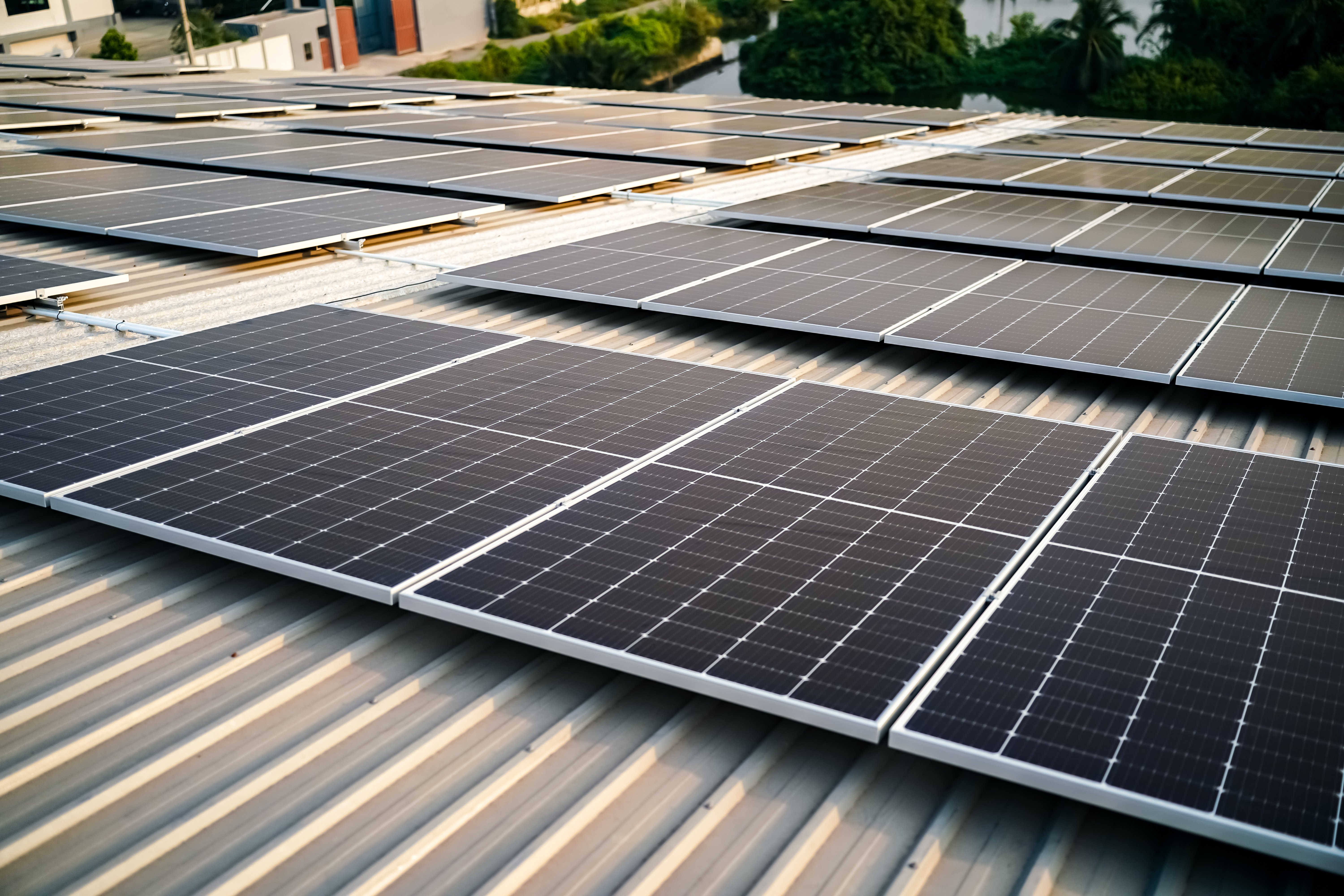
Onsite solar can form part of a broader energy resilience strategy for pharmaceutical manufacturers. While solar does not replace the need for grid power, backup systems, or uninterrupted power supply for critical loads, it can help reduce reliance on purchased grid electricity during daytime operating hours.
By generating renewable electricity directly at the facility, onsite solar can support:
- Reduced grid reliance: Solar can offset part of the site’s daytime electricity demand.
- Improved cost predictability: Long-term solar agreements, such as Solar Power Purchase Agreements, can provide better visibility and stability in energy costs.
- Lower Scope 2 emissions: Onsite renewable electricity can reduce emissions associated with purchased grid electricity.
- Stronger ESG performance: Solar supports sustainability reporting, decarbonisation goals, and customer expectations.
- Greater energy diversification: Combining grid power with onsite solar can create a more diversified energy mix.
For pharmaceutical companies looking to reduce emissions without disrupting operations, onsite solar can be a practical and scalable step.
Checklist: What Pharmaceutical Facilities Should Assess Before Going Solar
Before adopting onsite solar, pharmaceutical companies should evaluate:
- Available rooftop or land space
- Roof size, condition, structural strength, and shading.
- Daytime energy demand
- How much electricity the facility uses during solar generation hours.
- Critical operations
- Cleanrooms, cold storage, production lines, and laboratories that require reliable power.
- Electricity tariff structure
- Current tariff, peak charges, demand charges, and expected future cost increases.
- Sustainability targets
- Scope 2 emissions goals, ESG reporting needs, and customer requirements.
- Operational constraints
- Safety, access, maintenance windows, and installation planning.
- Financing preferences
- Direct ownership, leasing, or Solar Power Purchase Agreement (PPA) models with no upfront CAPEX.
The Role of Solar PPAs in Pharmaceutical Energy Planning
For companies that want to adopt solar without upfront capital investment, a Solar Power Purchase Agreement can be an attractive option.
Under a Solar PPA, TotalEnergies ENEOS can finance, install, operate, and maintain the solar system, while the customer purchases the electricity generated by the system over an agreed contract period.
This model can help pharmaceutical manufacturers:
- Avoid upfront CAPEX
- Improve long-term energy cost visibility
- Reduce operational burden
- Access renewable electricity onsite
- Support sustainability goals with measurable impact
For facilities focused on both resilience and financial discipline, this can make solar adoption more accessible.
Building Future-Ready Pharmaceutical Facilities
Pharmaceutical manufacturers operate in an environment where quality, compliance, reliability, and sustainability all matter. As electricity demand grows and grid-related risks become more complex, relying solely on traditional power supply models may expose facilities to rising costs and operational uncertainty.
Onsite solar offers a practical way to strengthen energy strategy. By reducing grid reliance, improving cost predictability, and lowering Scope 2 emissions, solar can support more resilient and lower-carbon pharmaceutical operations. Read more in our article on Meeting Pharma’s Net Zero Goals Through Solar Innovation.
To learn how onsite solar can support your pharmaceutical operations, improve energy resilience, and reduce long-term electricity cost exposure, explore TotalEnergies ENEOS’ solar solutions for the pharmaceuticals industry or visit the homepage. If you would like to discuss a tailored approach for your facility, contact the TotalEnergies ENEOS team.
Frequently Asked Questions
1. Why is grid reliance a concern for pharmaceutical facilities?
Pharmaceutical facilities require consistent electricity to support cleanrooms, cold storage, laboratories, and production lines. Grid disruptions can affect environmental control, product quality, production schedules, and regulatory compliance.
2. Can onsite solar fully replace grid electricity?
Usually, no. Onsite solar is typically used alongside grid electricity and backup systems. It helps reduce grid reliance during daytime operating hours and can form part of a more diversified energy strategy.
3. How does solar help reduce Scope 2 emissions?
Scope 2 emissions come from purchased electricity. By generating renewable electricity onsite, pharmaceutical facilities can reduce the amount of grid electricity they purchase, helping lower electricity-related emissions.
4. Is solar suitable for energy-intensive pharmaceutical operations?
Yes, many pharmaceutical facilities have strong daytime electricity demand from HVAC, cooling, laboratories, and production activities. This can make onsite solar a good fit, depending on available space, energy usage patterns, and site conditions.
5. Does a Solar PPA require upfront investment?
A Solar Power Purchase Agreement (PPA) can allow businesses to adopt onsite solar with no upfront CAPEX. TotalEnergies ENEOS finances, installs, operates, and maintains the system, while the customer pays for the solar electricity generated.