
solar
solar energy
sustainability


Chemicals and industrial gases facilities are highly energy-intensive operations. From compression, pumping, cooling, and air separation to process control systems and utilities, electricity plays a central role in maintaining productivity, safety, and operational continuity.
As electricity demand grows and energy markets become more complex, many facilities are rethinking how they source and manage power. For chemicals and industrial gases companies, the goal is not simply to replace one energy source with another. It is to build a cleaner, more balanced energy mix that supports cost predictability, emissions reduction, resilience, and long-term competitiveness.
Onsite solar can play an important role in this strategy. By generating renewable electricity directly at the facility, solar can work alongside grid electricity and existing energy systems to help reduce reliance on purchased power, lower Scope 2 emissions, and improve visibility over future electricity costs.
Why Energy Strategy Matters in Chemicals and Industrial Gases
Chemicals and industrial gases facilities often operate with continuous or extended production schedules. Many core processes depend on reliable electricity to maintain product quality, process stability, and safety.
Electricity is commonly used across:
In industrial gases production, air separation and compression can be particularly electricity-intensive. In chemical manufacturing, electricity supports a wide range of systems that help maintain temperature, pressure, flow rates, and process consistency.
As a result, rising electricity costs, grid constraints, and supply disruptions can have a direct impact on operating costs and production planning.
According to the International Energy Agency, global electricity demand increased by 4.3% in 2024, with demand expected to continue growing at close to 4% annually through 2027. This growth is being driven by industrial activity, electrification, cooling demand, data centres, and broader economic development. For energy-intensive industries, this reinforces the importance of planning for electricity cost exposure and supply reliability.
The Limits of Relying on Grid Electricity Alone
Grid electricity remains essential for most industrial facilities. However, relying entirely on grid supply can expose chemicals and industrial gases companies to a range of challenges.
These may include:
For facilities with high and consistent electricity demand, these risks can become significant. Even small tariff increases may affect production economics when electricity forms a large part of operating expenditure.
Grid reliability is also a concern. Chemicals and industrial gases operations often depend on process stability, and interruptions can affect equipment performance, production schedules, safety procedures, and customer supply commitments.
This is why many businesses are adopting a more diversified energy strategy that combines grid electricity with onsite renewable generation and, where appropriate, other energy management systems.
How Onsite Solar Fits into a Cleaner Energy Mix
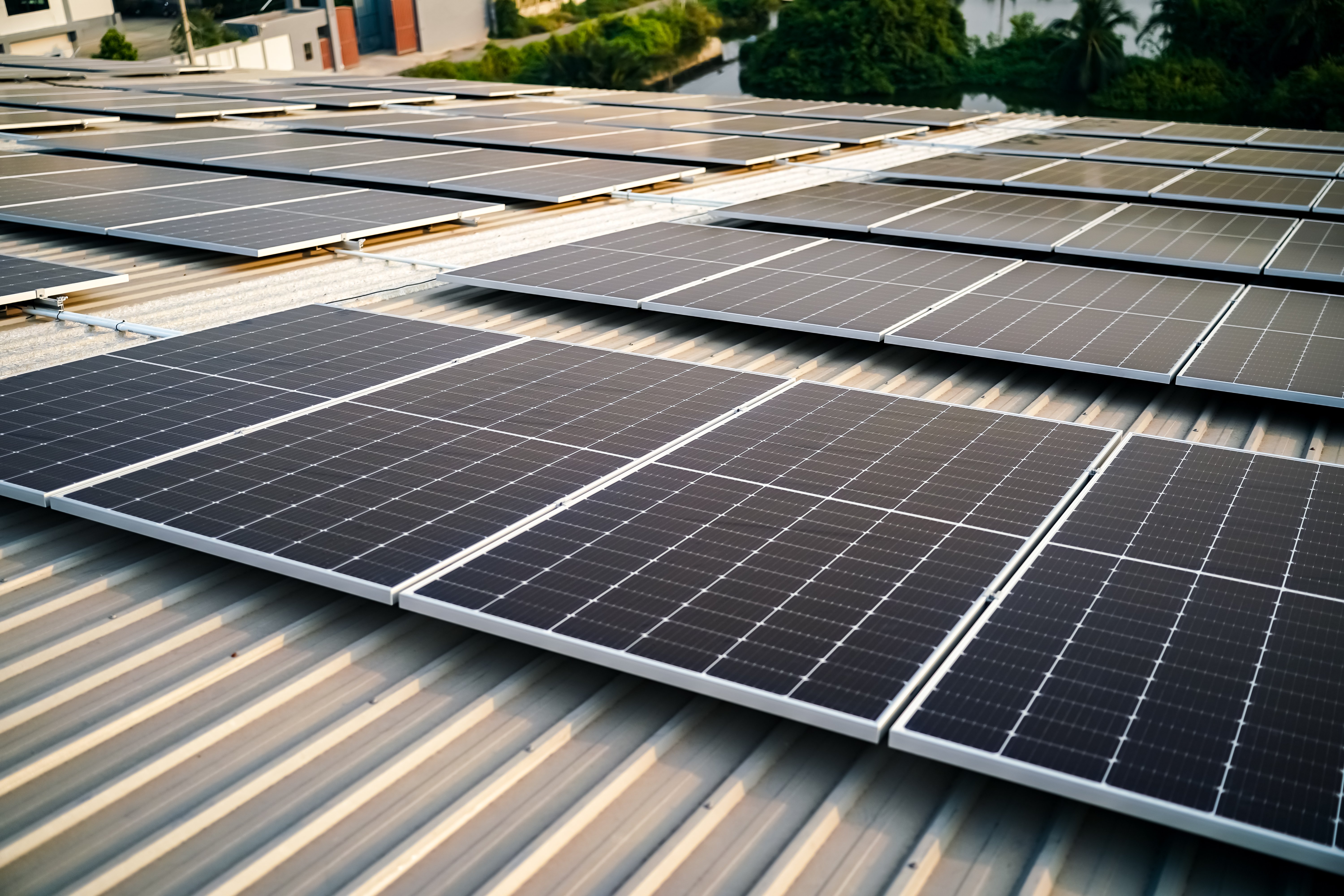
Onsite solar does not need to replace grid electricity. Instead, it can complement the grid by supplying renewable electricity during daylight hours, when many industrial facilities are operating and electricity demand is high.
For chemicals and industrial gases facilities, onsite solar can help offset daytime electricity consumption from systems such as:
By generating electricity where it is consumed, onsite solar can reduce the volume of electricity purchased from the grid. This can help improve cost visibility, reduce exposure to electricity price fluctuations, and support lower-carbon operations.
Key Benefits for Chemicals and Industrial Gases Facilities
1. Better Energy Cost Predictability
Electricity prices can fluctuate due to fuel costs, market conditions, demand growth, and regulatory changes. For energy-intensive facilities, this creates uncertainty in long-term budgeting.
Onsite solar can support more predictable energy planning, especially through financing models such as a Solar Power Purchase Agreement (PPA). Under this model, businesses can adopt onsite solar with no upfront CAPEX, while purchasing the solar electricity generated over an agreed contract period.
This can help companies:
2. Reduced Scope 2 Emissions
Scope 2 emissions are indirect emissions from purchased electricity. For chemicals and industrial gases facilities, electricity-related emissions can form a significant part of the operational carbon footprint.
By generating renewable electricity onsite, businesses can reduce the amount of grid electricity they purchase, helping lower Scope 2 emissions.
This is increasingly important as manufacturers face growing expectations from:
The Science Based Targets initiative notes that companies setting science-based targets are expected to address emissions across their operations, including purchased electricity. For industrial companies, onsite renewable energy can be a practical step towards decarbonisation.
3. Greater Energy Resilience
Energy resilience is about ensuring that facilities have a more secure and adaptable energy strategy. While onsite solar does not replace the need for grid power, backup generation, or uninterrupted power systems where required, it can help diversify a facility’s energy supply.
A more balanced energy mix may include:
For industrial operators, this diversification can support more resilient long-term planning and reduce dependence on a single source of electricity.
4. Stronger Long-Term Planning
Chemicals and industrial gases facilities often make long-term investments in production assets, utilities, and infrastructure. Energy strategy should be part of that planning.
Onsite solar can support:
When planned early, solar can be integrated into facility design, roof utilisation, maintenance planning, and electrical infrastructure.

What Facilities Should Assess Before Adopting Onsite Solar
Before implementing onsite solar, chemicals and industrial gases businesses should evaluate:
Building a More Balanced Energy Future
For chemicals and industrial gases facilities, electricity is not just an operational input. It is a strategic factor that affects cost, emissions, resilience, and competitiveness.
Onsite solar can help businesses build a cleaner energy mix by working alongside grid electricity and existing energy systems. It can reduce reliance on purchased electricity, improve long-term cost visibility, lower Scope 2 emissions, and support more resilient operations.
As energy demand continues to rise, companies that take a proactive approach to energy strategy will be better positioned to manage uncertainty and meet evolving sustainability expectations. Read more about it in our article: Solar Energy in Asia’s Chemical Manufacturing: A Scalable Path to Decarbonisation
To learn how onsite solar can support your chemical operations, improve energy resilience, and reduce long-term electricity cost exposure, explore TotalEnergies ENEOS’ solar solutions for the chemicals industry or visit our homepage. If you would like to discuss a tailored approach for your facility, contact the TotalEnergies ENEOS team.
Frequently Asked Questions
1. Can onsite solar fully power a chemicals or industrial gases facility?
In most cases, onsite solar will not fully power an energy-intensive facility. It is usually designed to offset part of daytime electricity demand and work alongside grid electricity and other energy systems.
2. Why is solar suitable for chemicals and industrial gases facilities?
Many of these facilities have high daytime electricity demand from compressors, pumps, cooling systems, air separation units, and process control systems. This can make onsite solar a practical way to offset grid electricity use during operating hours.
3. How does onsite solar reduce Scope 2 emissions?
Scope 2 emissions are indirect emissions associated with purchased electricity. By generating renewable electricity onsite, facilities can reduce the amount of grid electricity purchased, helping lower electricity-related emissions.
4. What is a Solar Power Purchase Agreement?
A Solar Power Purchase Agreement is a financing model where TotalEnergies ENEOS can finance, install, operate, and maintain the solar system. The customer purchases the electricity generated by the system over an agreed contract period, often with no upfront CAPEX.
5. How can TotalEnergies ENEOS support industrial facilities?
TotalEnergies ENEOS helps businesses assess, design, finance, install, operate, and maintain tailored onsite solar solutions that support cost savings, emissions reduction, energy resilience, and long-term sustainability goals.