.jpg?width=5760&height=3840&name=worker-at-small-parts-manufacturing-factory-in-chi-2026-01-09-11-12-01-utc%20(2).jpg)
solar
solar energy
sustainability
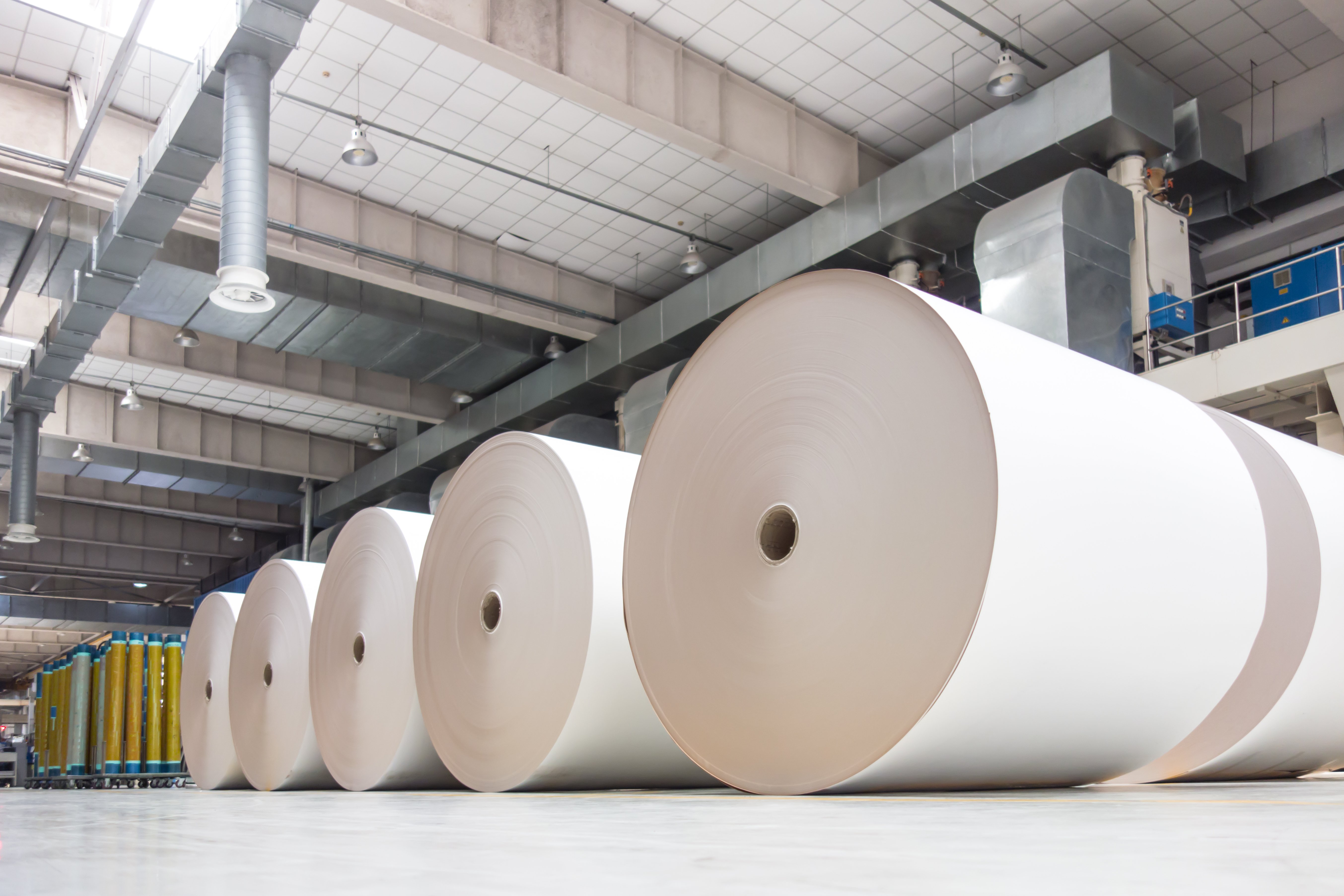

Paper mills run on consistency. From pulping and refining to drying, coating, calendaring and finishing, every stage depends on reliable electricity and heat. When energy prices move sharply, or when grid supply becomes unstable, the impact is felt quickly: production schedules tighten, margins shrink and customers may face delays.
That is why more manufacturers are rethinking energy strategy, not simply as a sustainability project, but as a core business resilience tool. For paper mills, combining grid electricity with onsite solar power can help reduce exposure to energy market volatility, improve operational continuity and support growing buyer expectations around lower-carbon supply chains.
Why Energy Resilience Matters in Paper Manufacturing
Paper and pulp manufacturing is one of the more energy-intensive industrial sectors. According to a study, the pulp and paper sector accounts for around 6% of global industrial energy use and remains a major industrial source of emissions due to its reliance on electricity, steam and heat-intensive processes.
In a paper mill, energy is not a background cost. It affects:
When electricity tariffs rise, fuel costs fluctuate or grid supply becomes a concern, operating costs can increase and put pressure on margins. This is especially important in competitive export markets, where manufacturers may have limited ability to pass higher energy costs directly to customers.
Cost Control: The Key Driver
For many paper mills, the first reason to consider onsite solar is simple: cost control.
Energy markets have remained volatile since the global energy crisis. The IEA reported that although some wholesale electricity prices eased in 2023, prices in many markets stayed above pre-crisis levels, and electricity demand is expected to continue rising in the coming years.
Onsite solar can help paper manufacturers reduce reliance on grid electricity during daylight hours. Instead of purchasing all electricity at variable utility rates, mills can use solar-generated power directly at their facilities.
This can support:
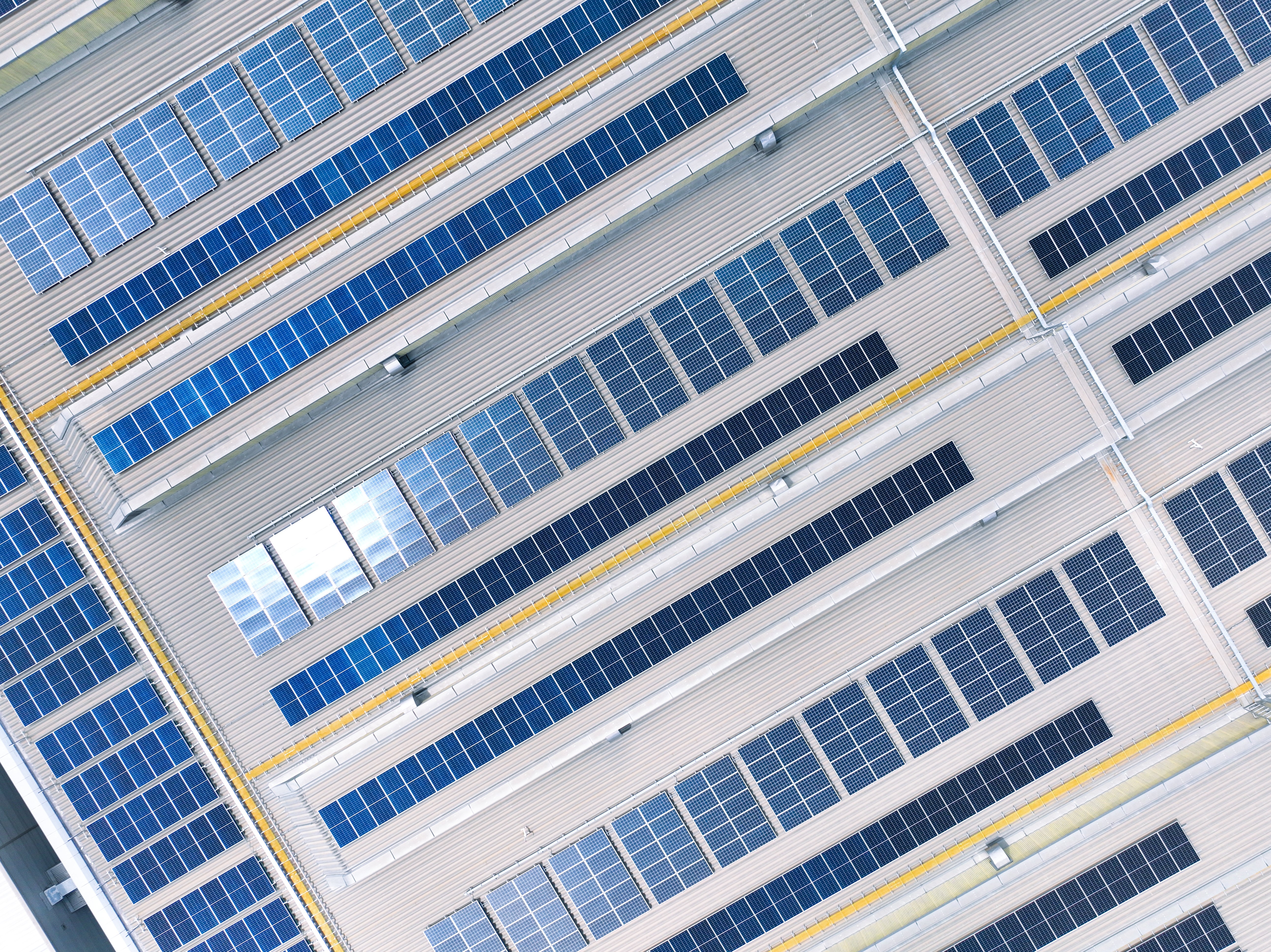
For facilities with large roofs areas or available land, solar can be an attractive option. Paper mills typically operate with relatively consistent daytime electricity demand. This allows much of the solar energy generated to be consumed onsite, improving the business case.

Operational Reliability: A Key Plant-Level Concern
While cost is often a key driver, operational reliability is an equally important consideration. Paper mills typically operate continuously or near continuously, and unplanned interruptions can be expensive.
A disruption may lead to:
Onsite solar does not replace the grid entirely for most mills. Instead, it works as part of a smarter energy mix. By combining grid electricity with onsite generation, manufacturers reduce dependence on a single source of power.
A practical energy resilience strategy may include:
This hybrid approach gives manufacturers more flexibility. It also helps plant managers build an energy roadmap that can evolve over time as battery storage, digital energy management and demand-response programmes continue to mature.
Sustainability: An Increasing Business Consideration
For many paper mills, cost management and operational reliability remain key investment drivers. However, sustainability is becoming increasingly linked to commercial performance and supply chain requirements.
Global brands, packaging buyers and retailers are increasingly asking suppliers to show progress on emissions reduction, renewable energy use and environmental performance. This matters because paper manufacturers often sit inside larger supply chains for consumer goods, e-commerce, food packaging, pharmaceuticals and industrial packaging.
The IEA expects renewable electricity generation to keep expanding rapidly, with solar PV playing a leading role in new capacity additions.
For paper mills, onsite solar can help reduce Scope 2 emissions linked to purchased electricity. This can strengthen a manufacturer’s position when responding to customer questionnaires, sustainability audits and procurement requirements.
Sustainability benefits may include:
In short, while cost and reliability often remain the primary considerations, sustainability is becoming an increasingly important factor in long-term competitiveness and business performance.
Supply Chain Expectations Are Evolving
Paper and packaging buyers are under pressure to decarbonise their own value chains. Many global companies now track supplier emissions, renewable energy use and climate-related risks as part of their sustainability and procurement programmes. As a result, manufacturers are facing growing expectations to demonstrate progress in energy and emissions management.
For paper mills serving international customers, onsite solar can support:
This is especially relevant in Asia, where many manufacturers supply global brands while operating in markets with changing electricity prices and grid carbon intensity.
Checklist: Is Your Paper Mill Ready for Onsite Solar?
Before moving forward, manufacturers should assess:
A detailed feasibility study can help determine the right system size, expected generation, potential savings and implementation approach.
Building a More Resilient Energy Future
Paper manufacturing is becoming increasingly cost-sensitive, efficiency-driven, and exposed to changing energy market conditions. As a result, energy strategy is becoming more closely linked to mill competitiveness and long-term operational resilience.
Understanding how electricity is used across the mill can help manufacturers identify where onsite solar can deliver the greatest value. Whether supporting daytime electricity demand, reducing reliance on grid electricity, or lowering Scope 2 emissions, solar can contribute to a more cost-efficient and lower-carbon paper manufacturing operation.
Solar is no longer just a sustainability initiative. For paper mills, it is becoming a strategic energy solution that supports cost control, operational reliability, and stronger supply chain positioning.
As paper manufacturers refine their energy strategies, solar can also support wider supply chain priorities, from reducing Scope 2 emissions to improving ESG visibility. Global buyers, FMCG brands, retailers, and packaging buyers are increasingly seeking greater transparency suppliers based on renewable energy use, emissions management and environmental performance across their supply chains. Read more in our article on “Why Supply Chain Collaboration Matters”.
To learn how onsite solar can support your paper manufacturing operations, improve energy resilience, and reduce long-term electricity costs, explore TotalEnergies ENEOS’ solar solutions for the pulp and paper industry or visit the homepage. To discuss a tailored approach for your facility, please contact the TotalEnergies ENEOS team.
Frequently Asked Questions
1. How can solar help paper mills manage energy costs?
Solar allows mills to generate part of their electricity onsite, reducing the amount purchased from the grid during daylight hours. This can lower exposure to tariff increases and improve long-term energy cost predictability.
2. Can onsite solar power an entire paper mill?
In most cases, no. Paper mills typically have high and continuous energy requirements. Onsite solar generally supports part of the electricity demand, while the grid electricity continues to provide power when solar output is lower or unavailable.
3. Is onsite solar suitable for industrial operations?
Yes, when properly designed and integrated, onsite solar can support industrial operations as part of a broader energy strategy. It is often combined with grid supply, energy monitoring systems and ongoing maintenance planning.
4. Why is sustainability becoming important for paper manufacturers?
Global buyers increasingly expect suppliers to report emissions and adopt cleaner energy. Onsite solar can help reduce Scope 2 emissions associated with purchased electricity and support sustainability reporting and decarbonisation efforts.
5. What should paper manufacturers consider when evaluating onsite solar?
Paper manufacturers should assess factors such as available roof or land area, electricity consumption patterns, tariff structures and structural suitability. Working with an experienced solar provider can help evaluate technical and commercial feasibility.
.jpg?width=8192&height=5464&name=plant-for-production-of-cars-modern-automotive-in-2026-01-08-05-31-55-utc%20(1).jpg)