
.jpg?width=8192&height=5464&name=plant-for-production-of-cars-modern-automotive-in-2026-01-08-05-31-55-utc%20(1).jpg)
solar
solar energy
sustainability
.jpg?width=5760&height=3840&name=worker-at-small-parts-manufacturing-factory-in-chi-2026-01-09-11-12-01-utc%20(2).jpg)

Semiconductor manufacturing sits at the heart of today's digital economy. From artificial intelligence and cloud computing to electric vehicles and consumer electronics, demand for semiconductors continues to grow rapidly. Behind every chip produced, however, is a significant and growing requirement for electricity.
As manufacturing processes become more advanced, energy is no longer simply a utility cost. It is becoming a strategic factor that influences competitiveness, supply chain positioning, operational resilience, and long-term business performance.
For semiconductor manufacturers, developing a smarter energy strategy is emerging as a source of competitive advantage.
Why Energy Strategy Matters More Than Ever
Semiconductor manufacturing is among the most electricity-intensive industrial activities in the world.
According to the International Energy Agency (IEA), global electricity demand is expected to continue rising as digitalisation, AI infrastructure, data centres, electric vehicles, and advanced manufacturing expand globally. Semiconductor production plays a critical role in supporting these sectors, making effective energy management increasingly important.
Industry estimates indicate that semiconductor fabrication facilities can consume hundreds of gigawatt-hours of electricity annually, with some advanced fabs using electricity comparable to that of small cities.
As a result, energy decisions now extend beyond operational costs. They can influence:
Manufacturers that proactively manage energy are often better positioned to navigate rising costs and evolving market expectations.
.jpg?width=5760&height=2412&name=cleanroom-assembly-technicians-assembling-electro-2026-01-08-05-15-40-utc%20(1).jpg)
The Growing Energy Challenge in Semiconductor Manufacturing
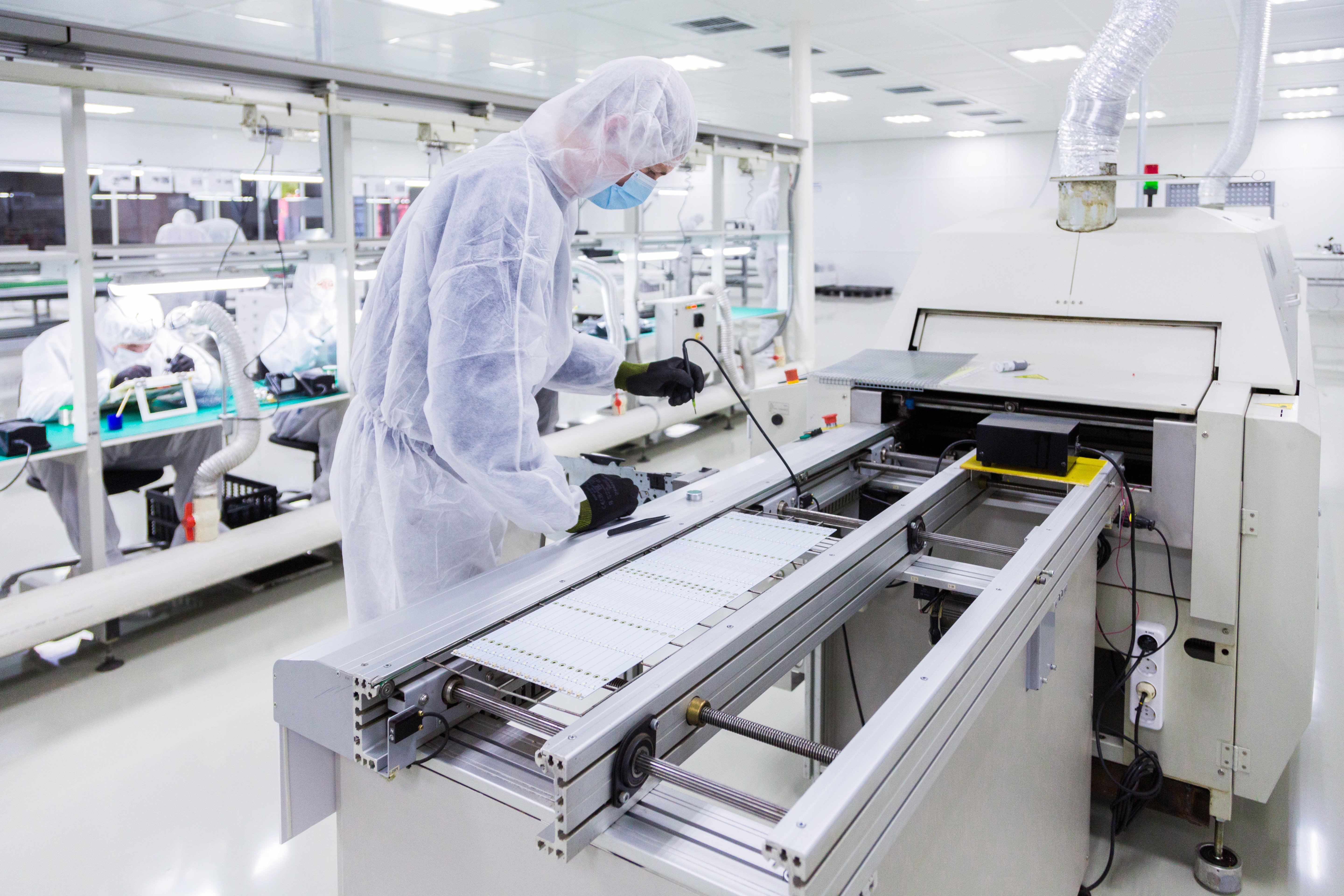
Modern semiconductor fabrication relies on highly controlled environments and precision manufacturing processes that operate around the clock.
Key contributors to energy demand include:
As many of these systems operate continuously, energy costs become embedded in the overall cost structure of semiconductor production.
Why Energy Is Becoming a Competitive Issue
Historically, energy procurement has been viewed as a back-office operational function. Today, it is becoming a strategic business consideration.
Three major industry shifts are driving this change.
1. Cost Predictability Is Becoming More Valuable
Electricity price volatility has become a growing concern across many Asian markets.
Key contributing factors include:
For semiconductor manufacturers operating high-volume facilities, even modest changes in electricity prices can have a noticeable impact on operating margins.
This is why many companies are focusing not only on reducing costs but also on improving cost predictability over the long term.
2. Supply Chains Are Becoming More Sustainability-Focused
Leading technology companies are placing increasing emphasis on emissions reduction across their supply chains.
According to CDP's 2024 Supply Chain Report, companies are increasingly engaging suppliers to reduce emissions and improve sustainability performance as part of broader decarbonisation initiatives.
As a result, semiconductor suppliers are facing growing expectations to demonstrate:
Energy strategy is becoming an important factor in supplier competitiveness.
3. Resilience Is Increasingly Important
As manufacturing becomes more automated and interconnected, maintaining operational continuity is becoming increasingly critical.
Even short disruptions can affect:
A resilient energy strategy can help manufacturers better anticipate and manage risks associated with energy market uncertainty and evolving operating conditions.
How Solar Supports Long-Term Competitiveness
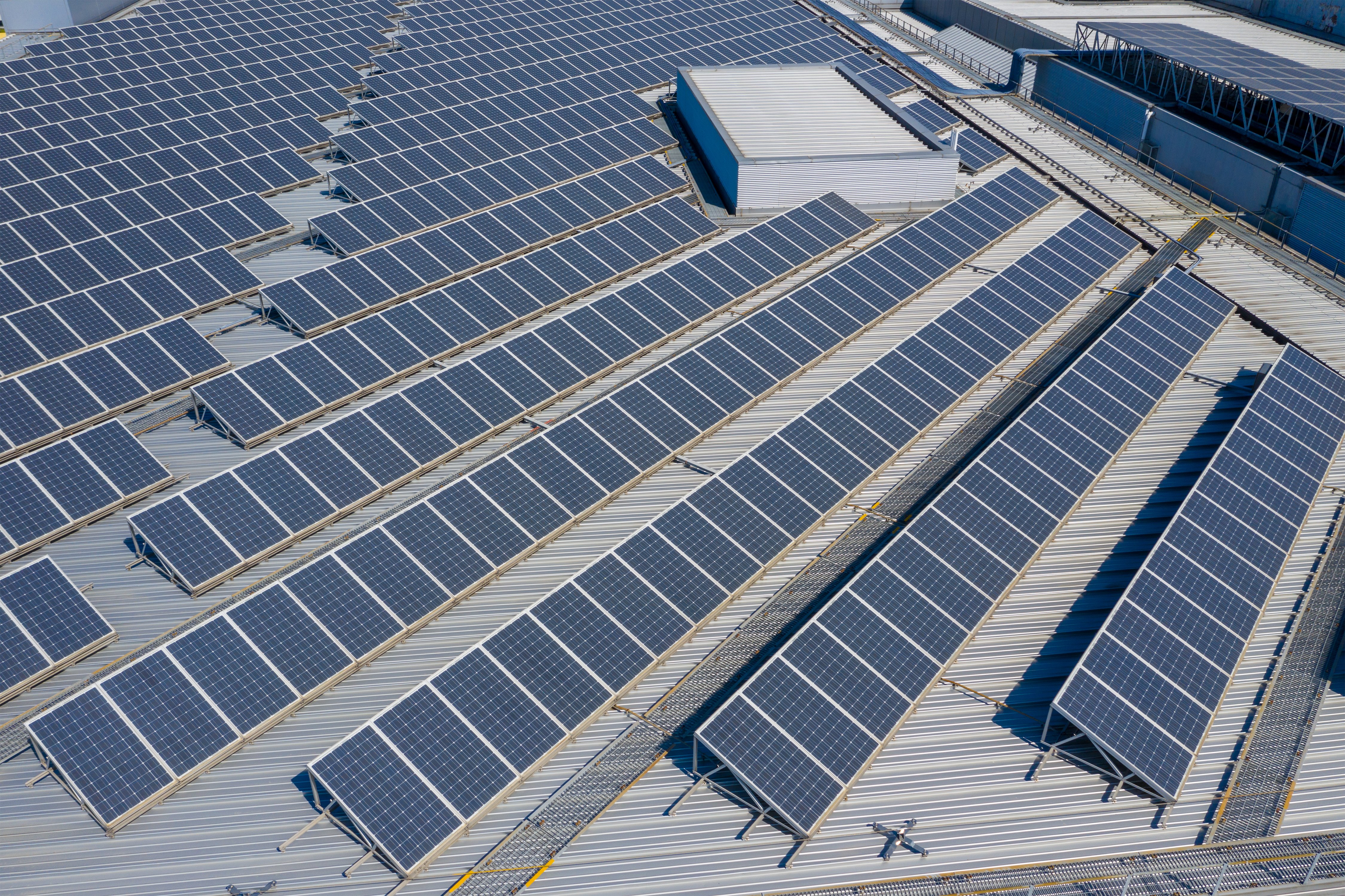
For semiconductor manufacturers, onsite solar is increasingly viewed as part of a broader energy strategy rather than solely a sustainability initiative.
By generating electricity onsite during operating hours, manufacturers can reduce reliance on grid electricity while supporting long-term business objectives.
Improved Cost Predictability
One of the key benefits of onsite solar is greater visibility over future energy costs.
Through long-term solar agreements such as Power Purchase Agreements (PPAs), businesses can secure more predictable electricity pricing over extended periods.
This helps support:
Reduced Exposure to Electricity Volatility
Onsite solar enables facilities to offset a portion of their daytime electricity demand.
This can reduce exposure to:
Lower Scope 2 Emissions
Electricity consumption often represents a significant portion of a semiconductor manufacturer's carbon footprint.
Solar can help reduce Scope 2 emissions while supporting:
Stronger Supply Chain Positioning
As renewable energy adoption becomes increasingly important across global supply chains, manufacturers that demonstrate measurable sustainability progress may strengthen their position with customers and partners.
Is Your Semiconductor Facility a Good Fit for Solar?
Many semiconductor facilities are well suited for onsite solar if they have:
✔ High daytime electricity demand
✔ Large rooftop, carpark, or available site areas
✔ Long-term operational planning horizons
✔ ESG or emissions reduction targets
✔ Rising electricity costs
✔ Customer expectations around sustainability performance
If several of these characteristics apply, onsite solar can play a meaningful role in supporting both operational and sustainability goals.
Building a Future-Ready Energy Strategy
The semiconductor industry is becoming increasing energy-intensive, sustainability-focused, and competitive.
As production volumes grow and energy demand increases, manufacturers that treat energy as a strategic asset rather than a utility expense may be better positioned to manage costs, strengthen resilience, and meet evolving customer expectations.
Renewable energy is no longer solely about environmental performance. Increasingly, it is becoming part of a broader strategy to improve competitiveness and support long-term business success.
To learn how onsite solar can support your semiconductor operations, visit the TotalEnergies ENEOS Semiconductor Solutions page.
You can also explore our renewable energy solutions at: https://solar.totalenergies.asia/
For a related perspective on how leading manufacturers are using solar to improve cost predictability, support decarbonisation goals, and build long-term competitiveness, read our article: “Why Asia’s Semiconductor Leaders Are Turning to Solar to Stay Ahead”
To discuss a tailored energy strategy for your facility, contact the TotalEnergies ENEOS team.
Frequently Asked Questions
1. Why is semiconductor manufacturing so energy-intensive?
Semiconductor production requires highly controlled cleanroom environments, advanced manufacturing equipment, process cooling systems, and continuous operations, all of which drive significant electricity consumption.
2. How can solar help semiconductor manufacturers control costs?
Onsite solar can offset a portion of daytime electricity demand, reducing reliance on grid power and helping improve long-term cost predictability through stable energy pricing.
3. Can solar support ESG goals in semiconductor manufacturing?
Yes. Onsite solar can help reduce Scope 2 emissions from purchased electricity and support sustainability reporting, decarbonisation targets, and customer ESG requirements.
4. Is onsite solar suitable for semiconductor facilities?
Many semiconductor facilities are well suited for onsite solar due to their high daytime electricity consumption, large rooftop areas or available site areas, and long-term operational planning requirements.
5. How does energy strategy affect competitiveness?
Energy strategy influences operating costs, resilience, sustainability performance, supply chain positioning, and long-term profitability. As energy becomes a larger business consideration, manufacturers with stronger energy strategies may gain a competitive advantage.
.jpg?width=8110&height=5407&name=woman-working-at-food-processing-factory-holding-m-2026-03-08-00-22-02-utc%20(1).jpg)