
solar
solar energy
sustainability

Heavy equipment manufacturing is entering a period of significant change. As demand grows across construction, infrastructure, mining, agriculture, and logistics, manufacturers increase production while managing energy costs, reducing emissions, and strengthening operational resilience.
Energy strategy is becoming a competitive factor, not only because electricity is essential to manufacturing, but because the way facilities source and manage power can affect long-term costs, sustainability performance, and business continuity.
Why energy matters in heavy equipment manufacturing
Manufacturing heavy equipment involves energy-intensive processes and support systems, including:
Large facilities may also operate extended production schedules, creating sustained electricity demand throughout the day. This makes energy costs an important consideration for operating budgets and long-term investment planning.
A recent life-cycle assessment of heavy machinery manufacturing found that electricity contributed substantially to the environmental impact of forklift and semi-trailer production, particularly in categories related to resource use and emissions. The study also found that shifting to renewable electricity could reduce the environmental burden associated with manufacturing operations.
The opportunity is especially relevant in Asia, where the ASEAN construction machinery market was valued at approximately USD 8.11 billion in 2025 and is projected to reach USD 10.82 billion by 2031. As manufacturers expand production capacity to support this growth, energy demand is also expected to rise, making energy strategy an increasingly important business consideration.
From energy expense to strategic priority
Electricity costs can be affected by tariffs, demand charges, peak-period pricing, market conditions, and regulatory changes. For energy-intensive facilities, these factors can make future operating costs difficult to predict.
A proactive energy strategy can help manufacturers:
This does not mean replacing grid electricity entirely. Instead, businesses can build a more balanced energy mix that combines grid power with onsite renewable generation, energy monitoring, demand management, backup systems, and where suitable, future storage options.
Among the available energy solutions, onsite solar is increasingly being evaluated by manufacturers.
How onsite solar can support heavy equipment facilities
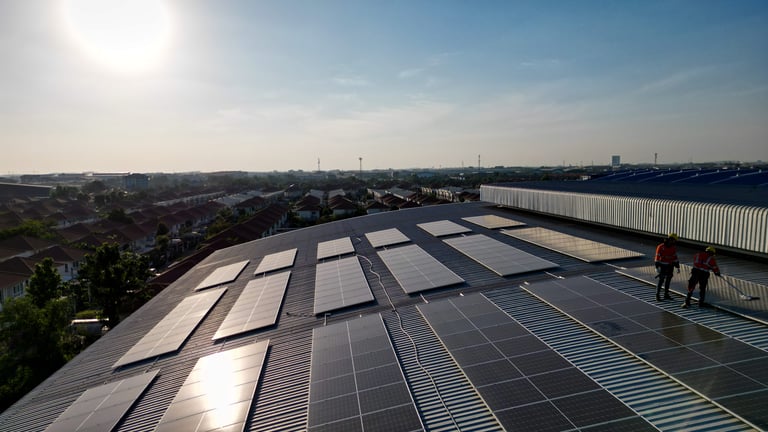
Onsite solar can generate renewable electricity directly at the facility, helping offset daytime demand from manufacturing and support operations. This is particularly relevant for facilities whose electricity consumption aligns with daylight production hours.
Solar can help support demand from:
By generating electricity onsite, manufacturers may reduce the amount of electricity purchased from the grid, helping improve cost visibility while supporting lower-carbon operations.
Large industrial rooftops, warehouses, carparks, and available land can also provide opportunities for solar deployment. Before proceeding, manufacturers should assess:
Supporting sustainability and supply-chain expectations
Heavy equipment manufacturers increasingly serve customers in sectors such as mining, construction, infrastructure, agriculture, and logistics. These customers may have their own decarbonisation targets and supplier sustainability requirements. Manufacturers may also face growing requests for emissions data, sustainability disclosures, and evidence of progress towards renewable energy and carbon reduction goals.
Reducing grid electricity consumption through onsite renewable generation can support Scope 2 emissions reduction efforts while contributing to broader sustainability objectives. It may also help demonstrate progress to customers, investors, regulators, and procurement teams evaluating environmental performance.
While solar alone cannot address every source of emissions associated with manufacturing, it can serve as a practical component of a broader decarbonisation strategy alongside operational efficiency improvements, equipment upgrades, logistics optimisation, and process innovation.
Financing a future-ready energy strategy
Upfront capital requirements can be a barrier for manufacturers prioritising investment in machinery, automation, digitalisation, and production expansion. A Solar Power Purchase Agreement can provide an alternative approach.
Under a Solar PPA, a solar provider finances, installs, and operates the solar system, while the business purchases the electricity generated over an agreed contract period. This can allow manufacturers to adopt onsite solar without upfront CAPEX, preserve capital for core operations, and improve long-term energy planning.
Building a future-ready facility
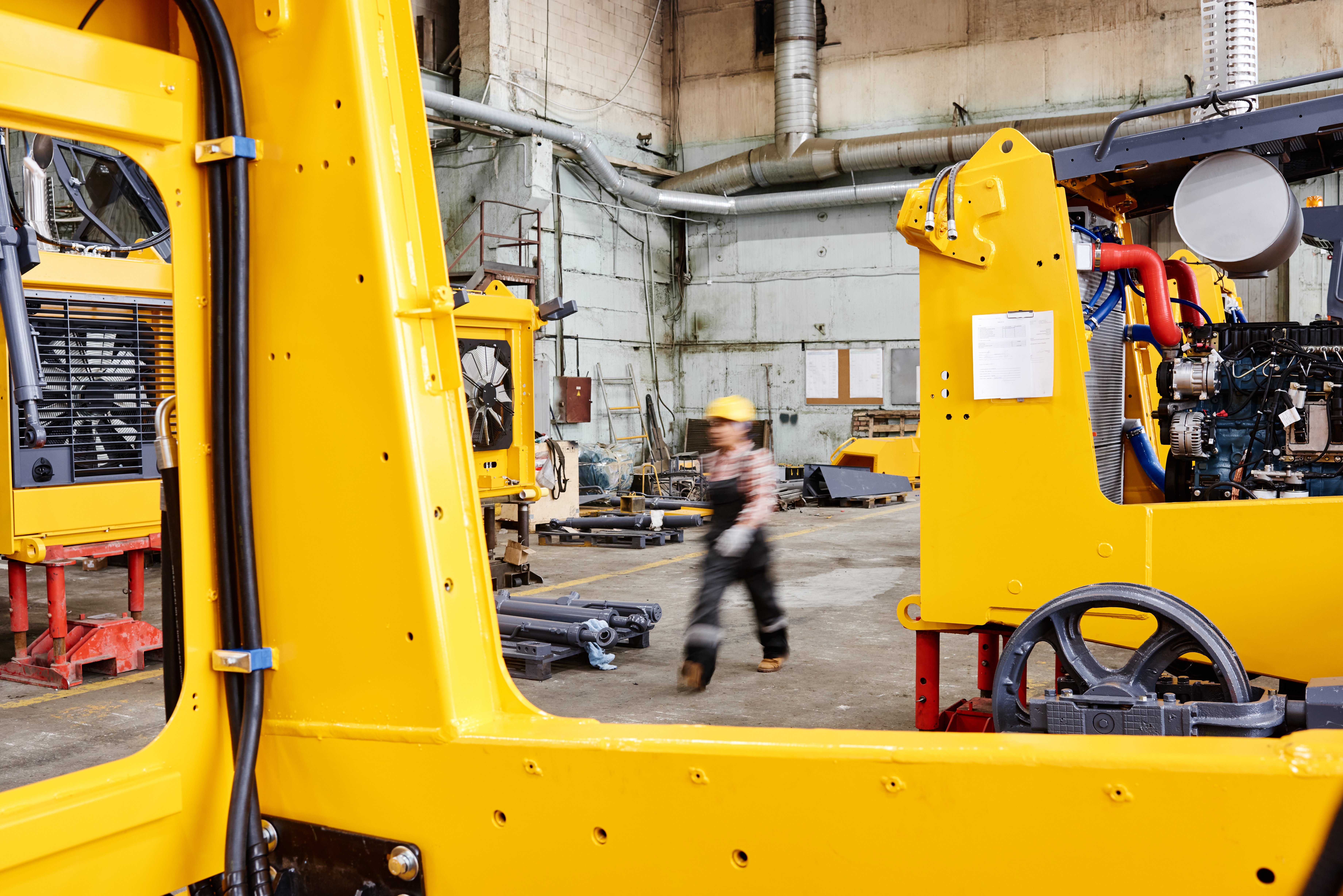
A future-ready heavy equipment facility is not defined only by new machinery or expanded production capacity. It also requires infrastructure that can adapt to changing energy costs, sustainability expectations, and operational needs.
For manufacturers, the starting point is a clear understanding of:
With the right planning, onsite solar can be integrated into facility design, electrical infrastructure, maintenance schedules, and future expansion plans.
Whether you are planning a new manufacturing facility or looking to improve the energy performance of an existing site, explore TotalEnergies ENEOS’ onsite solar solutions for heavy equipment or contact us to learn more about our tailored solar solutions.
Frequently Asked Questions
1. Why is energy strategy important for heavy equipment manufacturers?
Heavy equipment production relies on electricity-intensive processes and support systems. A strategic approach to energy can help improve cost visibility, reduce emissions, support resilience, and prepare facilities for future growth.
2. Can onsite solar replace grid electricity?
Usually, onsite solar complements rather than replaces grid electricity. Solar can offset a portion of daytime demand, while grid power and other systems continue supporting operations when solar generation is unavailable or insufficient.
3. What parts of a heavy equipment facility can solar support?
Solar-generated electricity can support manufacturing, machining, welding, testing, warehouses, lighting, HVAC, compressors, pumps, and other daytime facility loads, subject to site design and system capacity.
4. Can manufacturers adopt solar without upfront CAPEX?
A Solar PPA may allow a business to adopt onsite solar without upfront CAPEX. The business purchases the solar electricity generated under an agreed contract structure.
5. What should a facility assess before installing solar?
Manufacturers should assess available roof or land space, structural suitability, electricity demand, critical loads, tariffs, sustainability goals, site access, safety requirements, electrical infrastructure, and future expansion plans.
6. Does onsite solar reduce Scope 2 emissions?
Generating renewable electricity onsite can reduce the amount of grid electricity purchased, which may help lower electricity-related Scope 2 emissions. The accounting treatment depends on the project structure, location, and applicable reporting requirements.