Why Grid Reliance Is a Growing Concern for Pharmaceutical Facilities
Pharmaceutical manufacturing depends on precision. From cleanrooms and laboratories to cold storage and production lines, every stage of the operation relies on a...

Posts about:
-3.jpg)
Pharmaceutical manufacturing depends on precision. From cleanrooms and laboratories to cold storage and production lines, every stage of the operation relies on a...
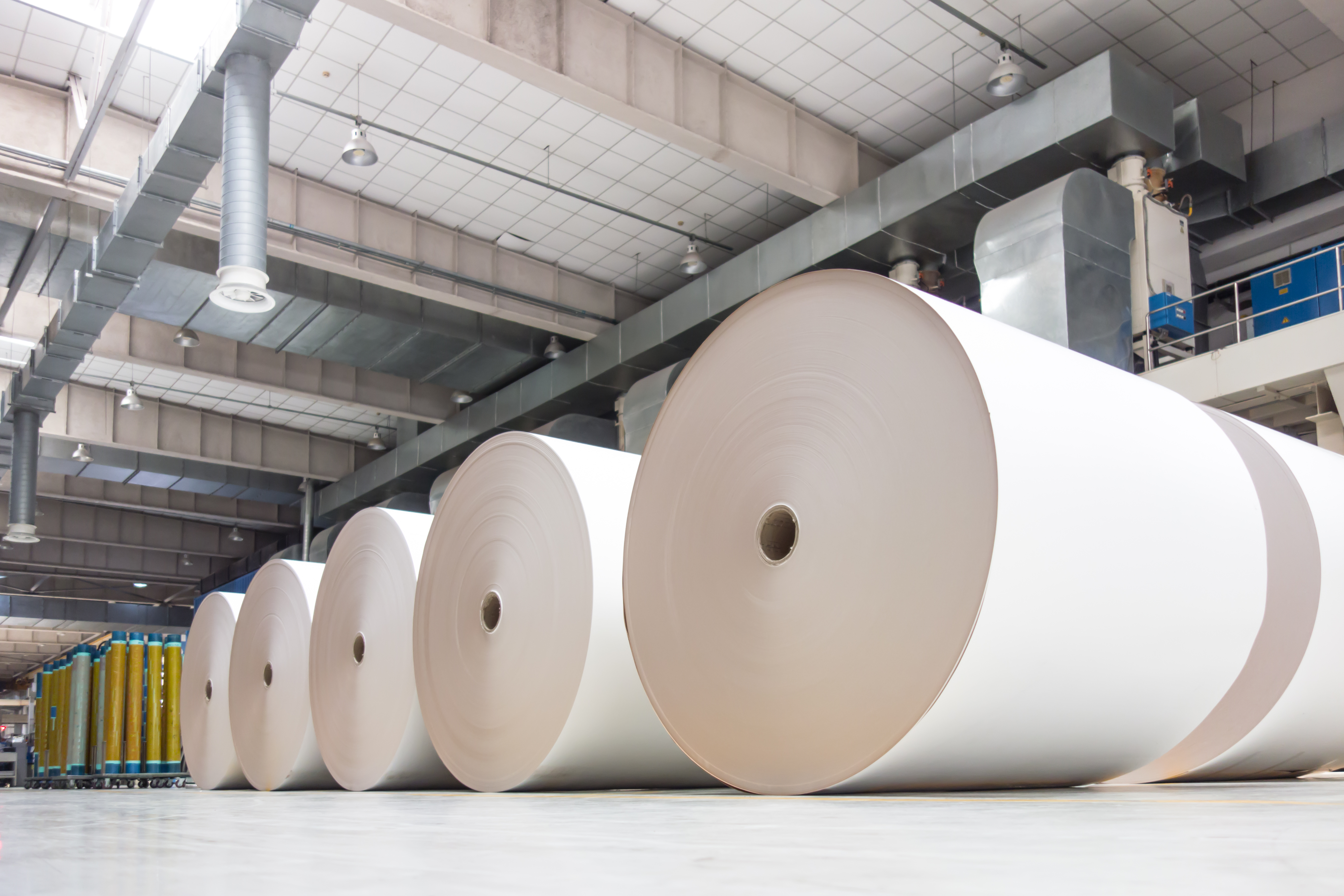
Paper mills run on consistency. From pulping and refining to drying, coating, calendaring and finishing, every stage depends on reliable electricity and heat. When energy prices move sharply, or when grid supply becomes unstable, the impact is felt quickly: production schedules tighten, margins shrink and customers may face delays.
.jpg)
Semiconductor manufacturing sits at the heart of today's digital economy. From artificial intelligence and cloud computing to electric vehicles and consumer electronics, demand for semiconductors continues to grow rapidly. Behind every chip produced, however, is a significant and growing requirement for electricity.
.jpg)
Automotive manufacturing is highly energy-intensive. From welding and robotics to paint shops, HVAC systems, compressed air, and assembly lines, electricity powers nearly every stage of production. As energy costs become more volatile and sustainability expectations continue to rise, automotive manufacturers are looking for more effective ways to manage energy across their operations..
Understanding how electricity is used across the plant is the first step to identifying opportunities for greater efficiency, cost optimisation and emissions reduction. It also helps highlight where onsite solar can deliver the most value.
.jpg)
.jpg)
The apparel and footwear industry is undergoing a structural shift as sustainability and decarbonisation become central to how global brands manage their supply chains. What was once driven primarily by cost, quality, and speed is now increasingly shaped by how emissions are measured, reduced, and reported across manufacturing operations.
.jpg)
As global efforts to combat climate change intensify, carbon border adjustments (CBAs) are becoming an increasingly important part of international trade. Designed to level the playing field by taxing goods based on their carbon content, these measures are set to impact industries worldwide, particularly those in energy-intensive sectors like steel production. For APAC steel producers, this means facing new challenges in maintaining competitiveness while aligning with future carbon regulations and sustainability goals.
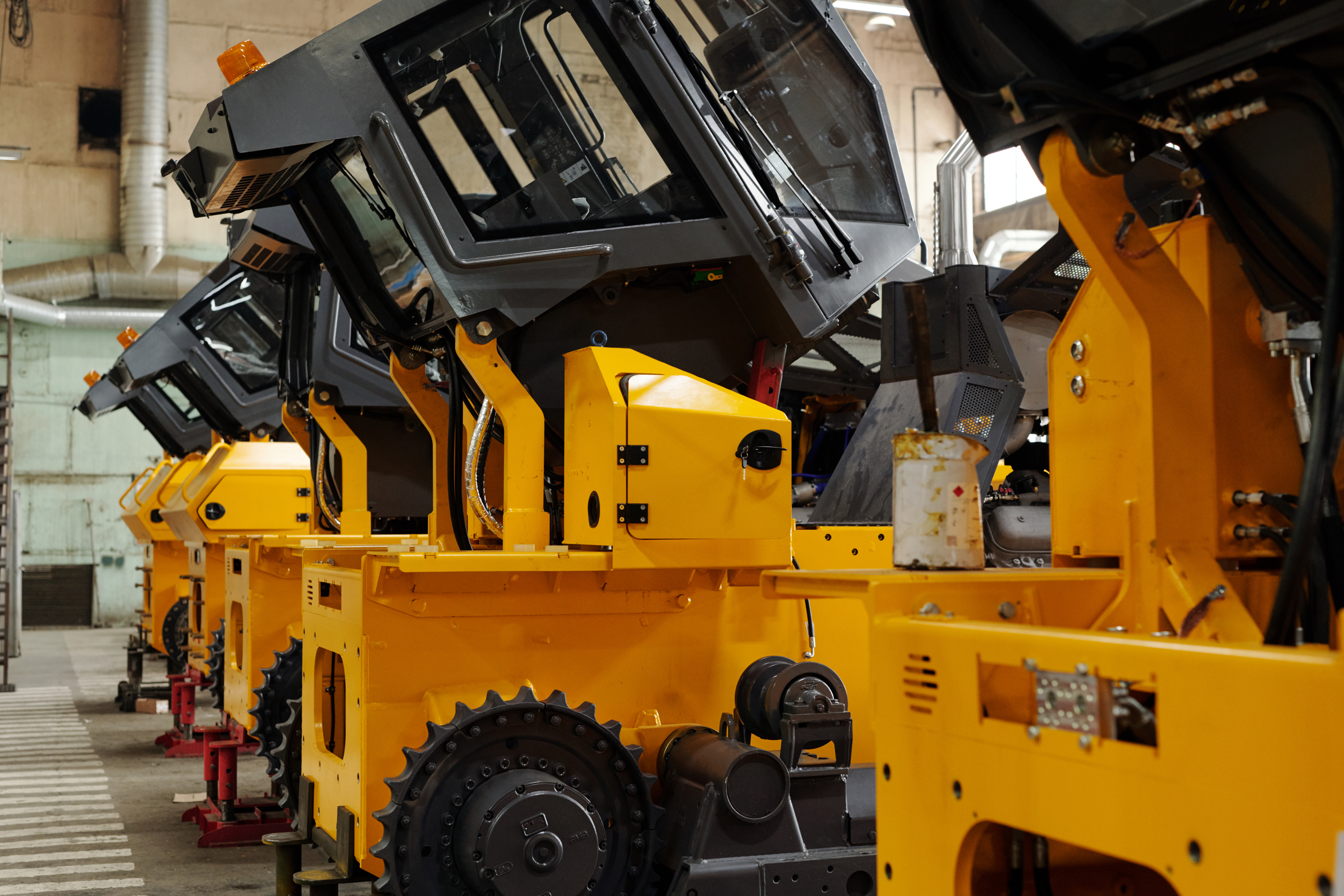

Asia sits at the heart of the global semiconductor and electronics supply chain, powering everything from smartphones and laptops to electric vehicles and advanced robotics.

The Food and Beverage (F&B) industry is a vital engine of economic growth in Asia Pacific (APAC), serving billions of consumers daily.
